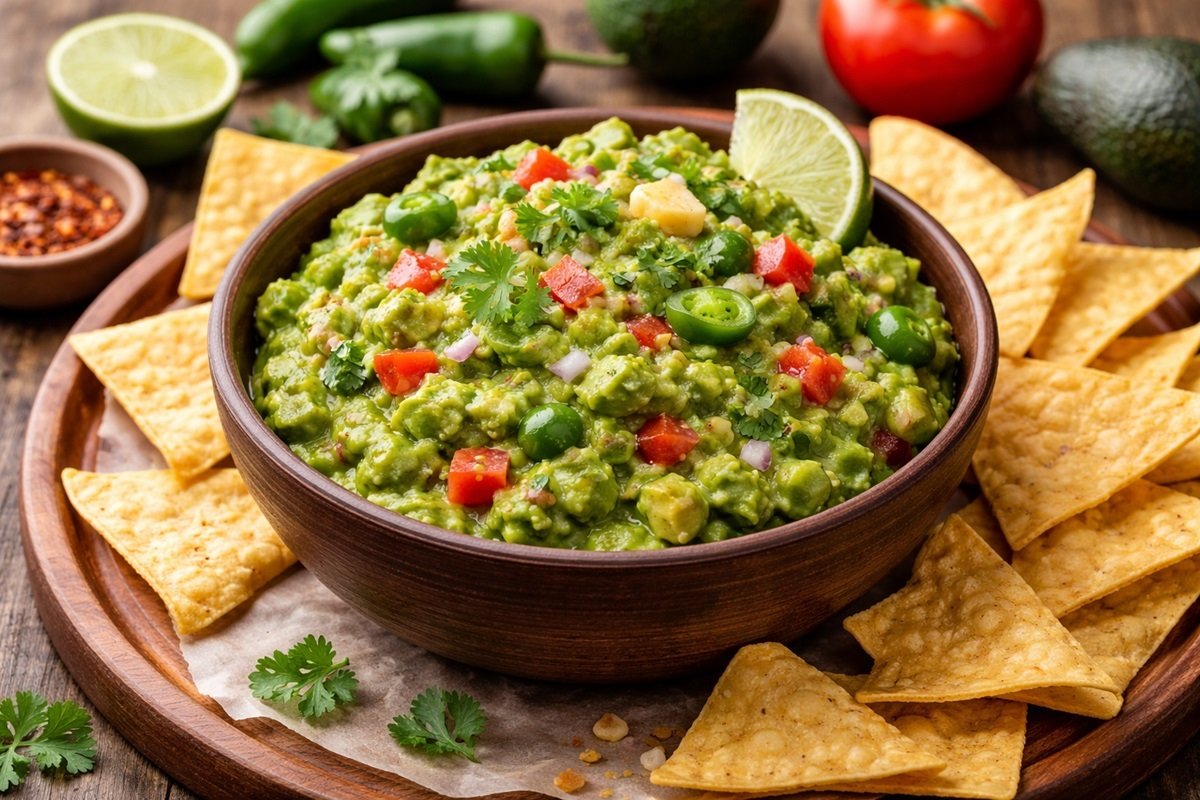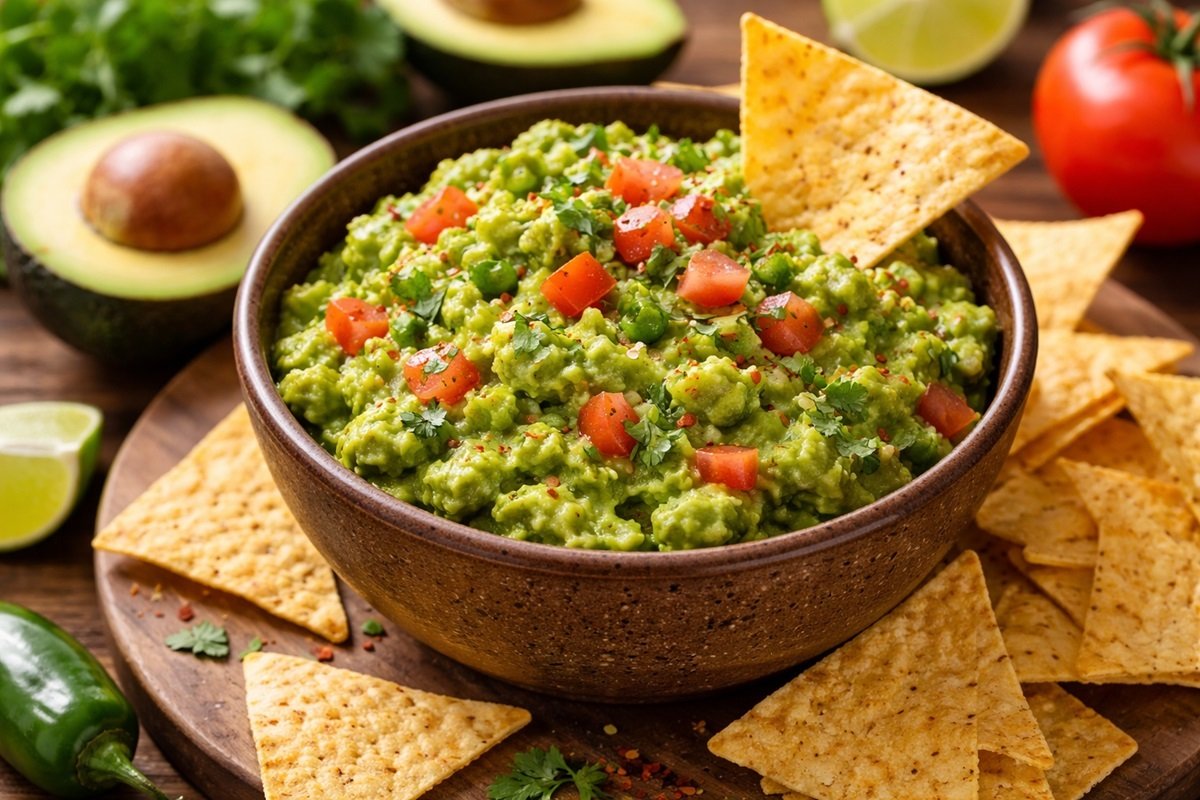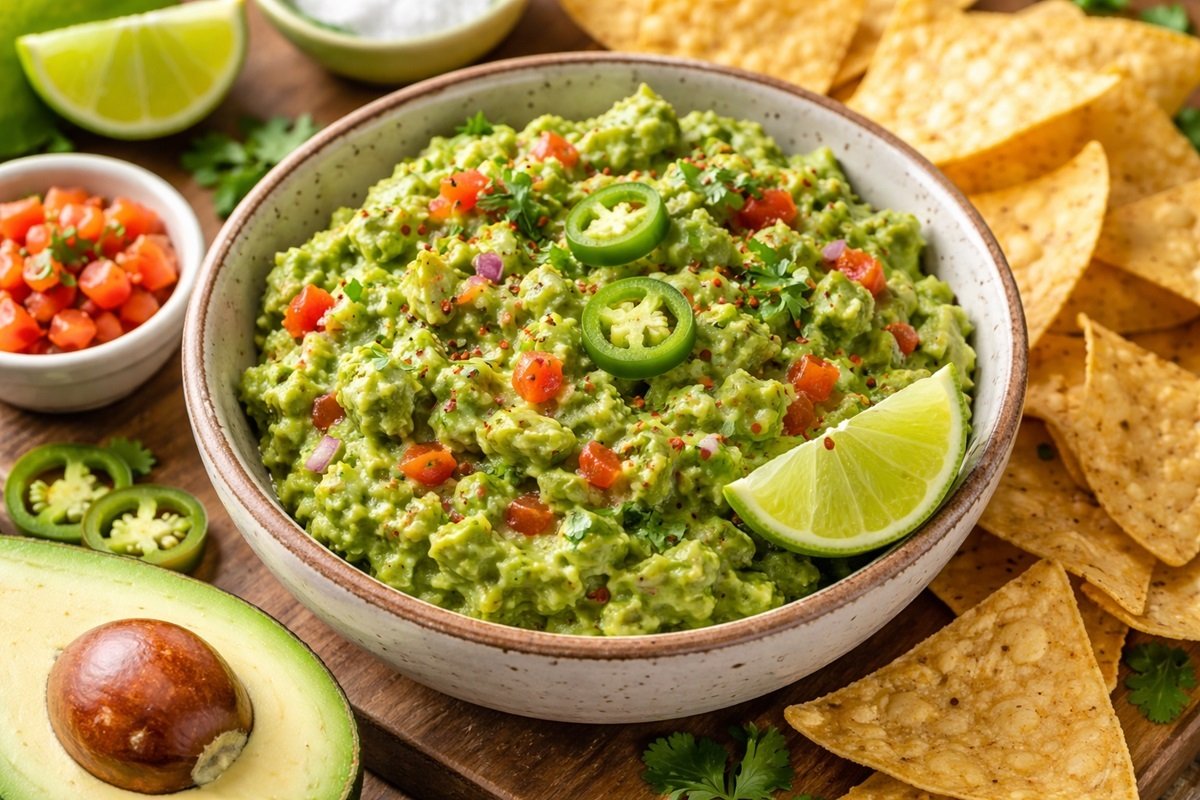
Best Ingredients for Authentic Γουακαμε: A Complete Guide to Getting It Right
Learn the best ingredients for authentic Γουακαμε. From ripe Hass avocados to fresh lime and cilantro, discover what makes Mexican guacamole truly great.

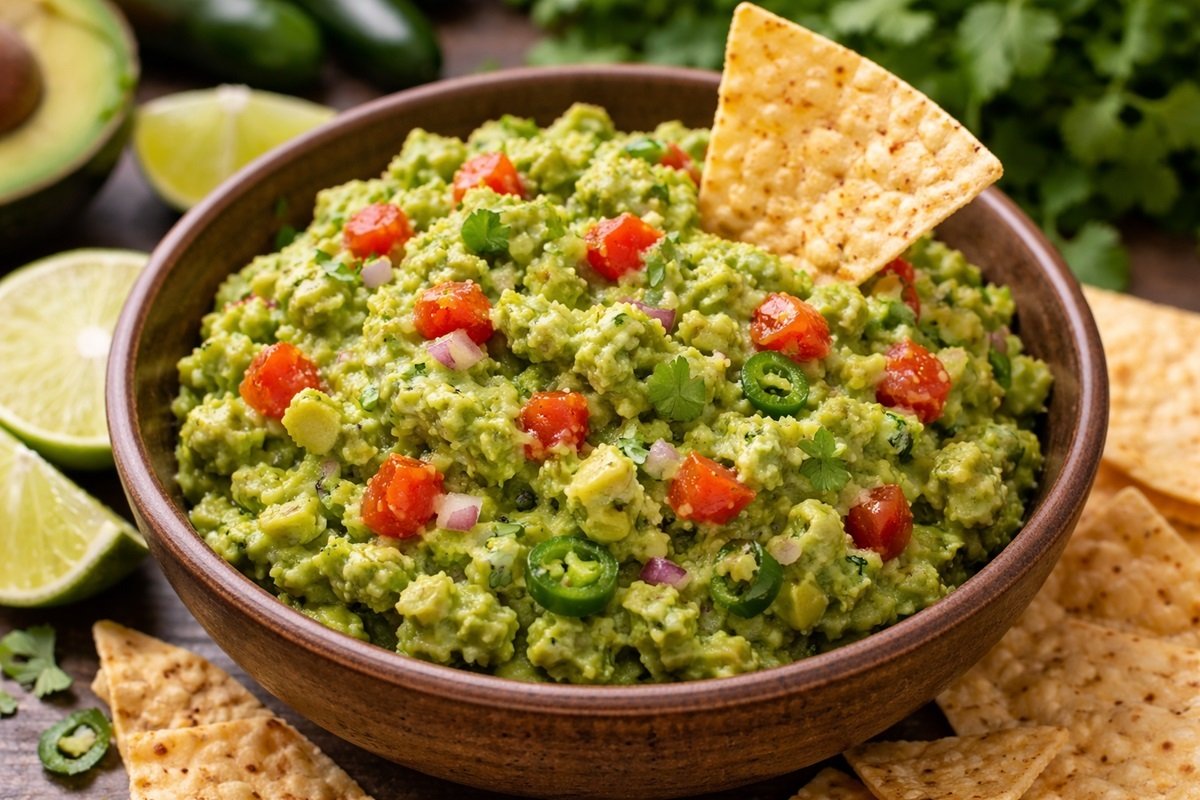
In cooking, the difference between a dish that is merely acceptable and one that stops people mid-conversation is almost always the ingredients. Nowhere is that truth more obvious than in Γουακαμε. A bowl of guacamole made with the wrong avocado, bottled lime juice, and dried powder tastes flat, heavy, and forgettable. The exact same recipe made with ripe Hass avocados, fresh-squeezed lime, and hand-chopped herbs tastes alive.
Authentic Γουακαμε is not a complicated recipe. It has never been complicated. What it demands is respect for quality and simplicity. The fewer the ingredients, the more each one matters. This guide walks through every core ingredient in a traditional Mexican guacamole, explains exactly why each one earns its place, and tells you what to look for when shopping so your avocado dip is genuinely exceptional every single time.
What Is Γουακαμε?
Γουακαμε is the Greek transliteration of guacamole, the iconic avocado-based dip that originated in Mexico and has since become one of the most recognised and consumed foods worldwide. At its simplest, it is mashed ripe avocado seasoned with lime juice, salt, and a small selection of fresh aromatics.
What distinguishes Γουακαμε from plain mashed avocado is balance: the fat of the fruit, the brightness of citrus, the bite of onion and chili, and the herbal freshness of coriander working together in proportions that feel effortless but are the result of centuries of culinary refinement.
Did You Know? Guacamole dates back to the Aztec civilisation of pre-colonial Mexico, where it was prepared in a stone molcajete using foraged avocados, tomatoes, and chili. Early Spanish explorers who encountered it in the 16th century were reportedly so taken with the flavour that they attempted to export avocados back to Europe, making Γουακαμε one of the first globally exported food concepts in modern history.
What Makes Γουακαμε Authentic?
Authenticity in Γουακαμε is not about following a rigid formula. It is about honouring two principles that have defined Mexican guacamole for hundreds of years: simplicity and freshness.
Traditional Mexican cooks do not add sour cream to stretch the yield. They do not reach for garlic powder when fresh garlic is available. They do not use pre-made seasoning sachets or bottled lime juice. Authentic Γουακαμε is made entirely from fresh, whole, recognisable ingredients prepared by hand, tasted and adjusted as it comes together, and served immediately.
The traditional tool is a molcajete, a volcanic stone mortar and pestle that grinds rather than cuts, releasing oils and juices in a way no metal bowl and fork can fully replicate. The approach is relaxed and tactile. The result is a guacamole that tastes of the ingredients themselves, not of a recipe designed to mimic them.
Staying close to that philosophy, regardless of the tools available, is what separates authentic Γουακαμε from the processed versions that dominate supermarket shelves.
Essential Ingredients for Authentic Γουακαμε
Every ingredient below has a specific role. Remove one and the balance shifts. Substitute a lesser version and the flavour flattens. Here is what you need and exactly why.
Avocados: The Base Ingredient
The avocado is not just one ingredient among several. It is the entire foundation on which everything else is built. The quality, variety, and ripeness of the avocado determine the outcome of your Γουακαμε more than any other single decision you will make.
Best variety: Hass avocados. Hass avocados have a naturally higher fat content than other varieties, which gives authentic guacamole its characteristic richness and creaminess. Their flesh is smooth, dense, and deeply flavoured. Fuerte or Reed avocados are acceptable alternatives but produce a milder, slightly more watery result.
How to choose ripe avocados:
- The skin should be very dark, almost black, with a slightly bumpy texture.
- The fruit should yield gently when pressed with your thumb, but not feel mushy or hollow.
- The small stem cap at the top should lift away easily and reveal green flesh beneath. If it reveals brown, the avocado is overripe inside.
- If buying in advance, choose firm avocados and ripen them at room temperature over two to three days. Never refrigerate unripe avocados.
Under-ripe avocados produce a Γουακαμε that is waxy, tasteless, and impossible to mash smoothly. Over-ripe avocados taste fermented and discolour almost instantly. Perfect ripeness is the single most important quality decision in this recipe.
Lime Juice
Fresh lime juice is non-negotiable in authentic Γουακαμε. It performs two essential functions simultaneously: flavour and preservation.
As a flavour component, lime juice provides the acidity that cuts through the richness of the avocado fat, brightening the entire dip and making it taste fresh rather than heavy. Without it, Γουακαμε tastes flat and one-dimensional regardless of how good the avocado is.
As a preservation agent, the ascorbic acid in fresh lime juice slows enzymatic browning, extending the visual life of your guacamole significantly. Bottled lime juice is pasteurised, which destroys much of the ascorbic acid and strips the volatile aromatic compounds that give fresh lime its distinctive top note. Always use freshly squeezed from whole limes.
The standard ratio is the juice of one lime per two avocados. Adjust by taste, not by measurement, as lime acidity varies by season and origin.
Salt
Salt is not a finishing touch in Γουακαμε. It is a structural ingredient that unlocks the full flavour of every other component in the bowl.
Add salt during mashing, not after assembly. When salt contacts the avocado flesh early, it begins drawing out moisture and integrating with the fat, creating a more cohesive, better-seasoned base. Salting at the end produces a dip where the top tastes sharp and the inside tastes bland.
Use fine sea salt or kosher salt. Iodised table salt has a slightly chemical aftertaste that is detectable in a dish as delicately flavoured as Γουακαμε. Flaky salt on top as a finishing touch is a professional technique worth adopting.
Onion
White onion is the traditional choice for authentic Mexican Γουακαμε, and there is a specific reason for that preference. White onion has a sharper, cleaner bite than red or yellow onion, and its flavour dissipates quickly after contact with lime juice rather than lingering aggressively.
It adds textural contrast against the smooth avocado, and its pungency provides a counterpoint to the richness of the fat. Dice it finely so no single piece dominates a mouthful. Approximately two tablespoons of finely diced white onion per three avocados is a reliable starting point.
For a milder result, soak the diced onion in cold water for five minutes before adding it. This softens the raw sharpness without removing the flavour entirely.
Tomatoes: Optional but Popular
Tomatoes are not universally included in traditional Γουακαμε, but they are a common and entirely legitimate addition across many regional Mexican variations. When used well, they add colour contrast, a mild acidity, and a juicy textural element that balances the density of the avocado.
The critical rule: always deseed tomatoes before adding them. The seeds and surrounding gel contain most of the tomato’s water content. Adding them unseeded creates a watery, quickly separating Γουακαμε. Roma tomatoes or plum tomatoes are ideal because they have more flesh and less seed cavity than round varieties.
Avoid adding tomatoes if you are preparing Γουακαμε ahead of time. They continue releasing moisture after cutting and will thin the dip significantly within thirty minutes. Add them fresh, immediately before serving.
Cilantro (Fresh Coriander)
Fresh coriander, known as cilantro in Mexican culinary tradition, is a defining aromatic in authentic Γουακαμε. Its bright, citrus-adjacent herbal flavour lifts the entire dish and provides the characteristic fresh note that most people associate with restaurant-quality guacamole.
Use the leaves and the finely chopped stems. The stems carry a more concentrated flavour than the leaves and add to the overall depth of the herb’s contribution. Approximately two tablespoons of loosely packed, roughly chopped coriander is standard for a three-avocado batch.
If coriander is unavailable or disliked, fresh flat-leaf parsley is the most appropriate substitute. It provides a similar herbal freshness without the distinctive anise-adjacent quality of coriander. Dried coriander is not a substitute; it adds nothing of value to fresh Γουακαμε.
Chili or Jalapeños
Heat is a fundamental component of authentic Mexican Γουακαμε, not an optional extra. The type and quantity of chili you use determines both the spice level and the flavour depth of the finished dip.
Jalapeños are the most traditional choice. They provide a clean, immediate heat with a slightly grassy flavour that complements avocado well. Serrano chilis are an authentic alternative used widely in central Mexico: smaller, hotter, and with a brighter flavour profile.
Remove the seeds and white membrane for mild heat. Leave them in for a more assertive result. Add chili gradually, taste as you go, and remember that the heat will intensify slightly as the Γουακαμε rests.
Dried chili powder or hot sauce are not authentic replacements. They alter the texture and introduce flavour compounds that do not belong in a traditional recipe.
Optional Ingredients That Enhance Γουακαμε
These additions are not traditional but can enhance Γουακαμε thoughtfully when used with restraint.
- Garlic: A single small clove, finely grated or mashed to a paste, adds depth without being identifiable as garlic in the finished dip. Use raw and in small amounts only. Too much garlic overwhelms the avocado completely.
- Cumin: A pinch of ground cumin adds an earthy, warm note that bridges the avocado and the chili naturally. Used in some regional Mexican preparations. Add sparingly; cumin is easy to overdo.
- Extra virgin olive oil: A thin drizzle over the finished Γουακαμε adds sheen, richness, and a subtle fruity note. Also helps slow surface oxidation. Use cold-pressed, high-quality oil only.
- Pomegranate seeds: A contemporary addition that adds sweetness, acidity, and striking visual contrast. Not traditional but genuinely complementary in flavour and texture.
- Smoked paprika: A very small pinch on top of a finished bowl adds colour and a subtle smokiness. Works well with the chunky restaurant style of Γουακαμε specifically.
When to avoid optional extras: If your avocados are exceptional, the classic six-ingredient recipe will outperform any enhanced version. Optional additions are most useful when compensating for slightly underripe avocados or milder-tasting fruit.
Ingredients to Avoid in Authentic Γουακαμε
These additions appear in many commercial and fusion guacamole recipes. They reduce authenticity and, in most cases, actively diminish the quality of the finished dish.
- Sour cream: Dilutes the avocado flavour, changes the texture from rich and dense to thin and slightly tangy, and introduces a dairy character that has no place in traditional Mexican Γουακαμε.
- Mayonnaise: Masks the natural flavour of the avocado entirely and adds processed oil and egg flavours that fight rather than complement the fresh ingredients.
- Pre-made guacamole seasoning packets: Typically contain maltodextrin, artificial flavours, excess sodium, and anti-caking agents. The result tastes of the seasoning packet, not of fresh Γουακαμε.
- Bottled lime or lemon juice: Pasteurised juice lacks the aromatic volatile compounds of fresh citrus. The flavour is flat and slightly tinned. Always use fresh.
- Dried herbs: Dried coriander, dried onion flakes, and dried chili are categorically different ingredients from their fresh counterparts. They contribute dull, concentrated, powder-like flavours that do not replicate the brightness fresh herbs provide.
- Cream cheese: Creates a dense, spreadable texture that some people enjoy but that moves the dish firmly into a different culinary tradition entirely. Reserve for conscious fusion applications rather than traditional Γουακαμε.
How Ingredient Quality Affects Taste and Texture
The gap between a mediocre Γουακαμε and an excellent one is almost never the recipe. It is the ingredients.
Fresh versus processed: Fresh lime juice contains aromatics that evaporate during pasteurisation. Fresh coriander contains volatile oils that are absent in dried versions. Fresh jalapeño has a texture and moisture content that chili powder cannot replicate. In a recipe with six ingredients, every single one must be at its best because there is nothing to hide behind.
Ripe versus unripe avocado: An under-ripe avocado produces a pale, waxy, tasteless mash with a slightly bitter finish. A perfectly ripe avocado produces a creamy, golden-green mash with a naturally buttery, faintly nutty flavour that needs minimal seasoning. The difference is not subtle. It is the entire dish.
Seasonal awareness: Avocados are at peak quality and lowest price during their natural harvest season, which varies by region but typically peaks in spring and summer in most Northern Hemisphere markets. Tomatoes are significantly better in late summer. Limes are juiciest in late winter and early spring. Shopping seasonally produces measurably better Γουακαμε.
Pro Tips for Selecting the Best Ingredients
- Buy avocados two to three days before you need them: This gives you control over ripeness rather than being dependent on what is available at the supermarket on the day.
- Speed-ripen avocados in a paper bag: Place avocados in a brown paper bag with a banana or apple. The ethylene gas these fruits emit accelerates ripening significantly. Check after 24 hours.
- Choose limes that feel heavy for their size: Weight indicates juice content. A light lime is dry inside. Roll it firmly on the counter before cutting to break down the internal membranes and maximise juice yield.
- Smell the coriander at the stem: Fresh coriander should smell immediately bright and herbal when a stem is lightly crushed. If there is no scent or it smells musty, it is past its best and will contribute little to the finished Γουακαμε.
- Test jalapeño heat before committing: Jalapeño heat varies dramatically from one chili to another depending on season, soil, and growing conditions. Taste a small piece before adding the full amount. Adjust the quantity based on what the specific chili delivers on that day.
- Buy slightly more avocados than you need: At least one in four will be either over or under ripe regardless of how carefully you select. Having a spare avocado ensures your batch is not compromised by one disappointing fruit.
Quick Ingredient Checklist for Authentic Γουακαμε
- 3 ripe Hass avocados (skin very dark, yield gently to thumb pressure)
- 1 to 2 fresh limes, juiced (not bottled)
- Half teaspoon fine sea salt or kosher salt (adjust to taste)
- 2 tablespoons white onion, very finely diced
- 1 roma tomato, deseeded and diced (optional, add at serving time)
- 2 tablespoons fresh coriander, leaves and stems, roughly chopped
- Half to 1 jalapeño or serrano chili, deseeded and finely minced
- Optional: 1 small garlic clove, grated; pinch of cumin; drizzle of olive oil
Easy Authentic Γουακαμε Recipe Using These Ingredients
This is the baseline method from which all authentic variations grow. Simple, quick, and completely reliable when made with quality ingredients.
- Prepare the avocados. Halve each avocado, remove the stone, and scoop the flesh into a wide bowl or molcajete. Add the lime juice and salt immediately to slow browning.
- Mash to your preferred texture. Use a fork for a chunky result or the back of a large spoon for a smoother finish. Leave some pieces intact for texture. Do not use a blender or food processor.
- Add aromatics. Fold in the finely diced white onion, minced jalapeño, and chopped coriander. Mix with a light hand to keep the texture varied.
- Taste and adjust. Try the guacamole on its own. Does it need more lime? More salt? A little extra chili? Adjust in small amounts and taste again after each addition.
- Add tomato last. If using tomato, fold in the deseeded, diced pieces immediately before serving. Not before.
- Serve immediately in the bowl it was made in. Smooth the top flat and cover tightly with cling film pressed directly onto the surface if not eating straight away.
Total preparation time: under eight minutes with ripe avocados and pre-washed produce.
Common Mistakes When Choosing Ingredients for Γουακαμε
- Choosing avocados by colour alone: Some Hass avocados remain green-skinned even when fully ripe. Always apply the thumb-press test and the stem-cap test alongside visual assessment.
- Using yellow or sweet onion instead of white: Yellow and sweet onions have a higher sugar content that makes them taste cooked and mellow in raw applications. They lack the sharp bite that authentic Γουακαμε needs for contrast.
- Adding too many extras: Every additional ingredient dilutes the avocado. Three well-chosen extras are the maximum before the dip loses its identity. Restraint is a skill and a quality marker here.
- Using overripe avocados thinking they are riper: There is a clear difference between perfectly ripe and overripe. Overripe avocados have brown or grey flesh, a fermented smell, and a texture that is stringy rather than creamy. No amount of lime juice or seasoning rescues overripe avocado.
- Skipping the tasting step: Every batch of Γουακαμε is different because every avocado, lime, and jalapeño is different. Tasting and adjusting is not optional. It is the most important step in the process.
Frequently Asked Questions About Γουακαμε Ingredients
What type of avocado is best for authentic Γουακαμε?
Hass avocados are the professional and traditional choice for authentic Γουακαμε. They have a higher fat content, a richer flavour, and a creamier texture than other widely available varieties. Their thick, pebbly skin also makes ripeness easier to assess visually. When Hass is unavailable, Fuerte avocados are a reasonable second choice, though the flavour will be slightly milder and the texture less dense.
Can I use lemon juice instead of lime juice in Γουακαμε?
Yes, lemon juice is an acceptable substitute when lime is unavailable. It performs the same antioxidant function and adds similar acidity. The flavour difference is noticeable but not dramatic: lemon is slightly softer and more floral, while lime has a sharper, more tropical edge that is more traditional in Mexican Γουακαμε. Always use freshly squeezed citrus regardless of which you choose.
Is cilantro essential in authentic Γουακαμε?
Cilantro is standard in the majority of traditional Mexican guacamole recipes and contributes a brightness and herbal freshness that is difficult to replicate. That said, coriander sensitivity is a genuine issue for a significant portion of people, for whom the herb tastes strongly of soap due to a genetic variation in olfactory receptors. For those individuals, fresh flat-leaf parsley is the most compatible substitute in terms of flavour contribution and texture.
Why do some authentic Γουακαμε recipes not include tomato?
Tomato is regionally variable in Mexican guacamole tradition. Preparations from central Mexico, particularly those from Oaxaca and Puebla, commonly include it. Others from the north of Mexico do not. The main practical argument against tomato in guacamole is moisture: deseeded tomato adds freshness and colour but also water content that can thin the dip quickly, especially if it sits for any time before serving. Whether to include it is a question of regional preference and serving context, not of correctness.
How much salt should I use in Γουακαμε?
There is no universal measurement because avocados vary in natural flavour intensity and the other ingredients vary in their own saltiness depending on season and origin. Start with half a teaspoon of fine sea salt for three avocados. Add it during the mashing stage, taste, and adjust. The correct amount is reached when the avocado flavour tastes full and forward rather than flat. If the Γουακαμε tastes primarily of lime, it almost always needs more salt rather than less lime.
Conclusion
Authentic Γουακαμε is one of the great expressions of what simple, high-quality ingredients can achieve when treated with respect. There is no technique to master and no complex equipment required. The entire skill is in the selection: the right avocado at the right moment of ripeness, lime squeezed fresh, onion diced fine, coriander picked from a bunch that still smells alive.
Every shortcut taken with ingredients produces a version of Γουακαμε that tastes like a shortcut. Every investment made in quality produces a result that justifies the effort completely. The traditional Mexican approach, unchanged for centuries, was never built around complexity. It was built around the confidence to let excellent ingredients speak for themselves.
Source the best Hass avocados you can find, squeeze real limes over them, and follow the essentials laid out in this guide. Your Γουακαμε will not just be better than the supermarket alternative. It will be genuinely outstanding.
Visit NEWSAxis for more latest NEWS in UK.