The Real Cost Of Living Crisis: Impact On UK Businesses And Consumers
The UK cost of living crisis is reshaping spending habits, business operations, and economic priorities. Here’s what it means in practical terms.

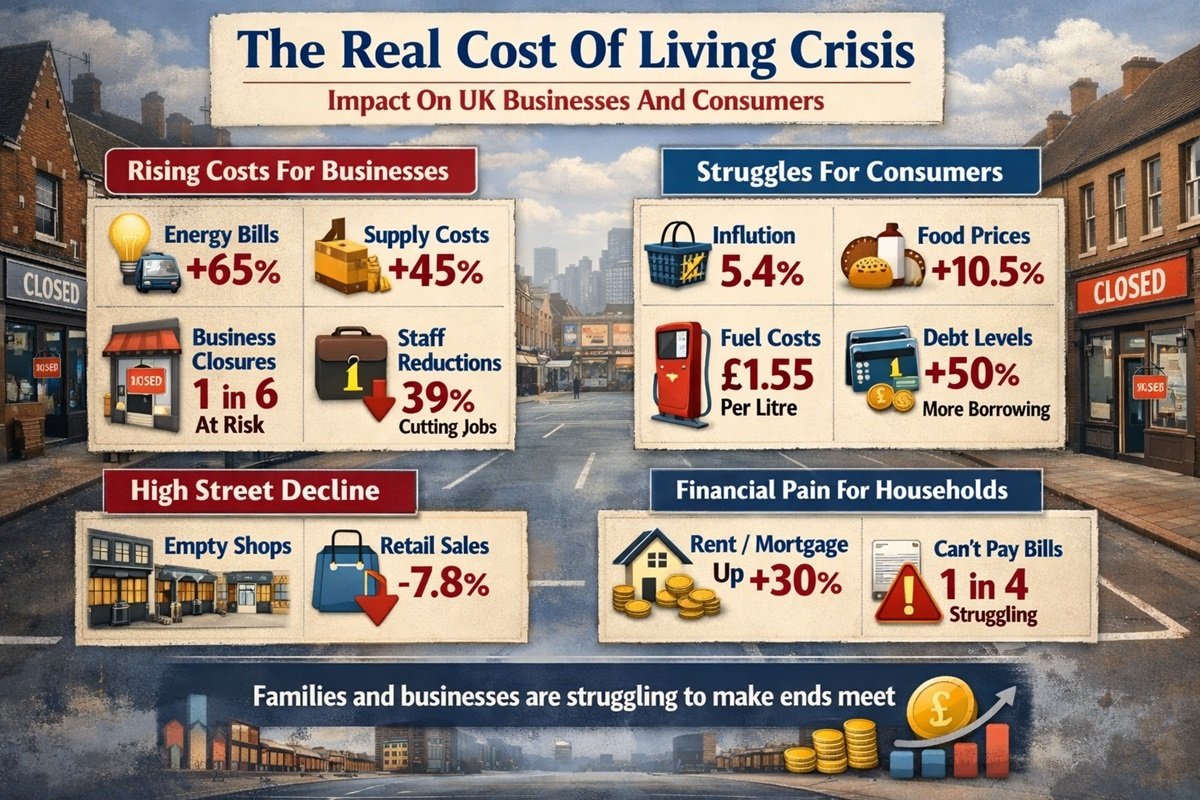
The UK cost of living crisis has become one of the most defining economic challenges of recent years, affecting households and businesses across the country. Rising prices, stagnant wages, and persistent economic uncertainty are reshaping how people spend, save, and operate. What was initially seen as a temporary spike in inflation has evolved into a prolonged period of financial pressure with real consequences for everyday life and commercial sustainability.
What Is The UK Cost Of Living Crisis And Why It Matters
The UK cost of living crisis refers to the sustained rise in everyday expenses such as food, energy, housing, and transportation, outpacing wage growth. This imbalance reduces disposable income and increases financial stress across income groups.
It matters because it impacts both sides of the economy. Consumers reduce spending, while businesses face higher business costs UK and declining demand. This dual pressure slows economic growth and increases uncertainty.
Key Drivers Behind The Crisis
Inflation And Its Ripple Effects
The sharp rise in inflation has been a central driver of the crisis. The inflation UK impact has been felt across essentials, including groceries and fuel, eroding purchasing power.
- Higher food prices affecting weekly household budgets
- Increased transport costs due to fuel price volatility
- Rising costs of goods and services across sectors
Energy Prices And Utility Costs
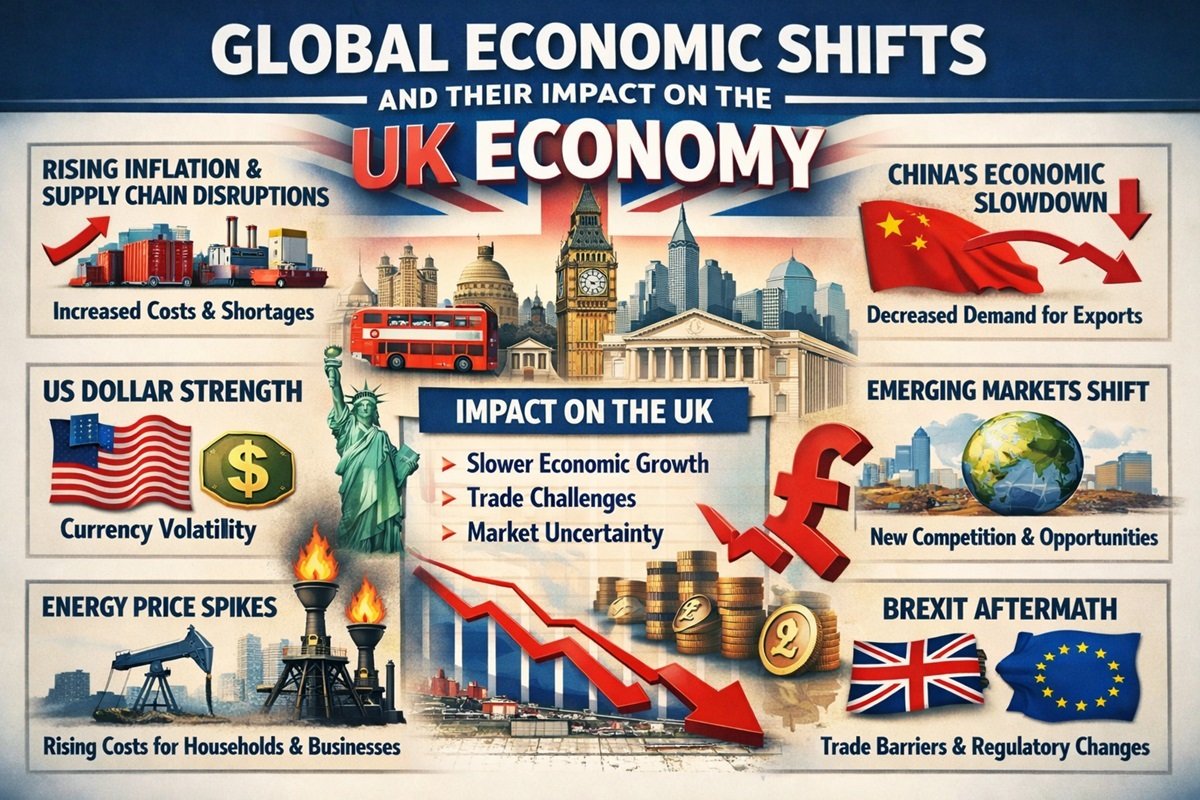
Energy prices UK have surged significantly, driven by global supply disruptions and geopolitical factors. For households, this means higher heating and electricity bills. For businesses, it translates into increased operational expenses.
Housing And Rent Pressures
Housing remains one of the largest components of UK household expenses. Rising rents and mortgage rates have placed additional strain on both renters and homeowners.
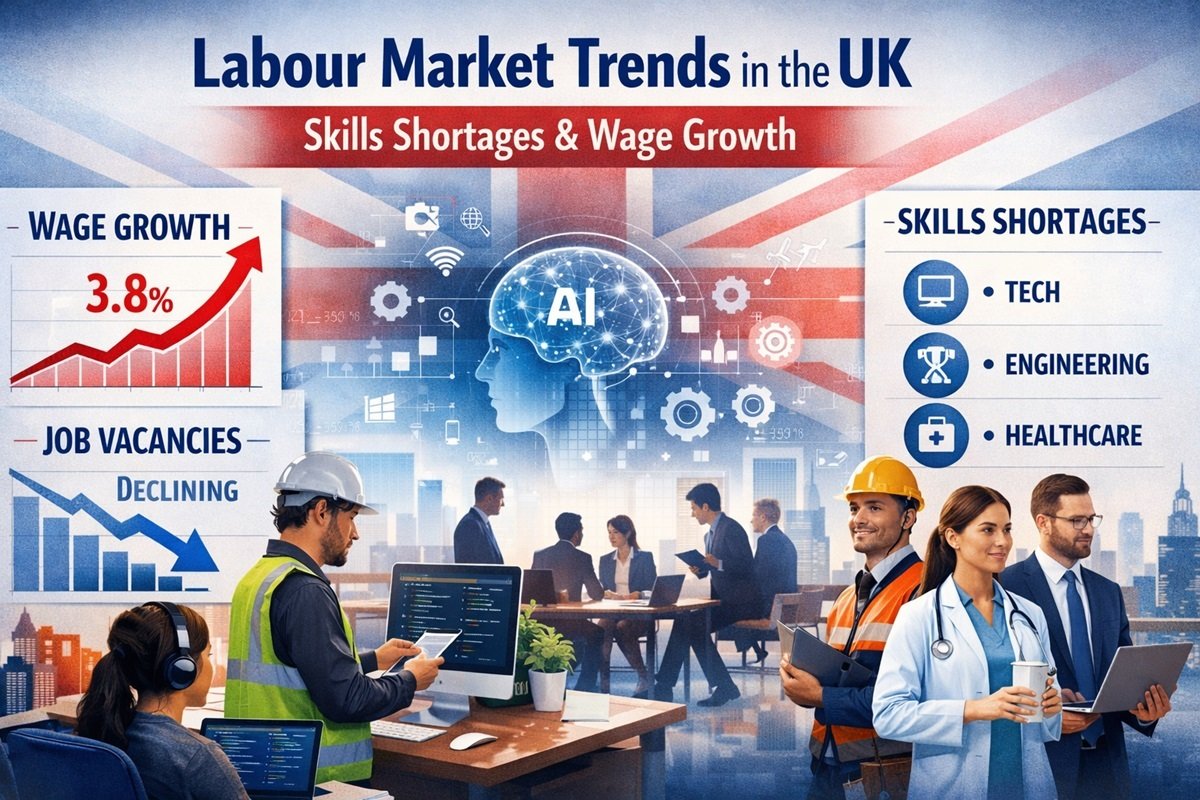
Wage Growth Lagging Behind
While wages have increased in some sectors, they have not kept pace with inflation. This widening gap contributes to ongoing UK economic pressure and reduced financial stability.
Impact On Consumers
Changing Spending Habits
Consumers are becoming more cautious with their spending. The shift in consumer spending UK is evident across retail and services.
- Prioritising essentials over discretionary purchases
- Switching to budget brands and discount retailers
- Reducing spending on dining, travel, and entertainment
Declining Savings And Financial Resilience
Many households are dipping into savings or accumulating debt to manage rising costs. This reduces long-term financial security and increases vulnerability to future shocks.
Lifestyle Adjustments
Everyday behaviours are changing. Households are cutting energy usage, delaying major purchases, and reassessing financial priorities.
Example: A typical family that once dined out weekly may now limit outings to once a month, redirecting funds toward essential bills.
Impact On UK Businesses
Rising Operational Costs
Businesses are facing increased business costs UK across multiple areas:
- Higher energy bills affecting manufacturing and hospitality
- Increased supplier costs due to inflation
- Rising wages to retain talent
Pricing Pressure And Margin Squeeze
Companies are caught between rising costs and price-sensitive consumers. Passing on costs risks losing customers, while absorbing them reduces profitability.
Hiring And Workforce Challenges
Small business challenges UK include difficulty hiring and retaining staff, as workers demand higher wages to cope with living costs.
Sector-Specific Impact
Retail
Retailers are experiencing reduced footfall and lower average transaction values. Discount chains and value-focused brands are gaining market share.
Hospitality
The hospitality sector faces a double hit of rising energy costs and reduced consumer spending. Many businesses are adjusting menus, pricing, and operating hours.
SMEs
Small and medium-sized enterprises are particularly vulnerable due to limited financial buffers. Managing cash flow has become a top priority.
Technology Sector
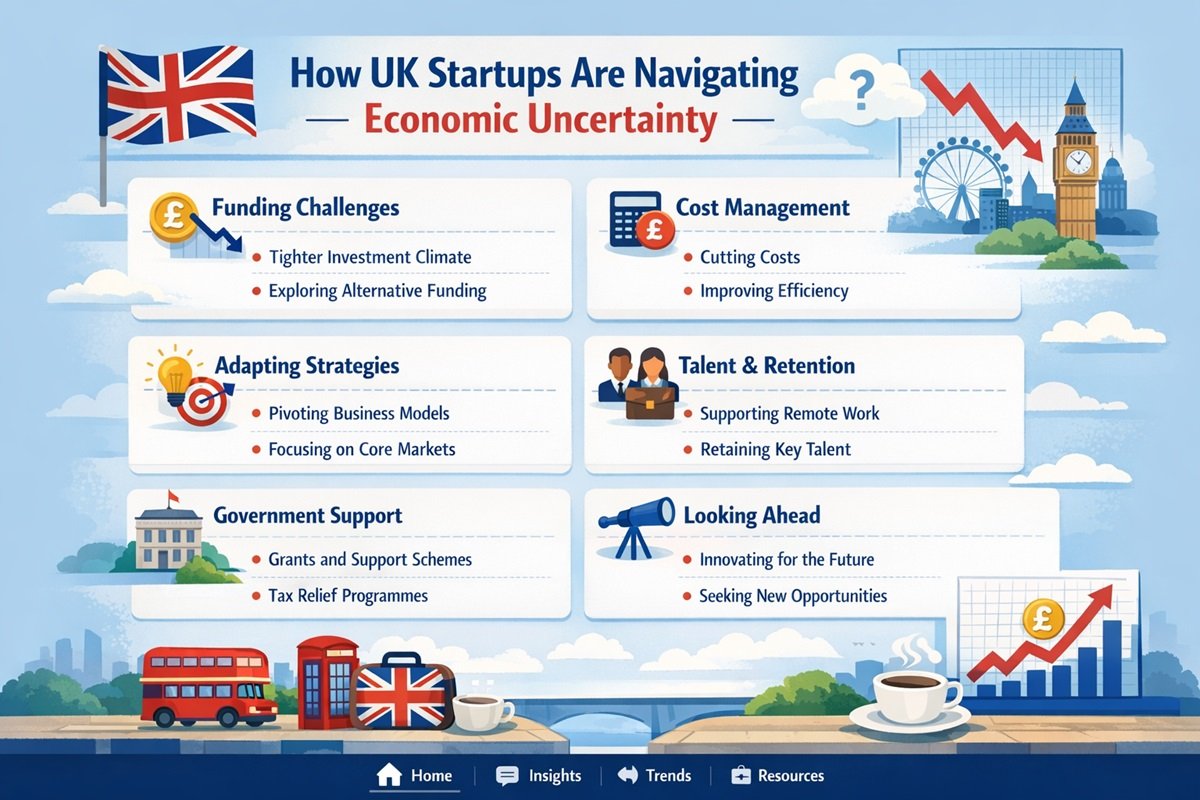
While tech remains relatively resilient, startups are facing tighter funding conditions. Investors are becoming more cautious, affecting UK startups investment.
How Businesses Are Adapting
Strategic Pricing And Cost Management
Businesses are adopting smarter pricing strategies and cost controls to maintain margins.
- Introducing tiered pricing models
- Reducing operational inefficiencies
- Negotiating better supplier contracts
Digital Transformation And Efficiency
Companies are investing in automation and digital tools to reduce costs and improve productivity.
Diversification Of Revenue Streams
Businesses are exploring new products, services, and markets to offset declining demand in core areas.
How Consumers Are Responding
Budgeting And Financial Planning
Consumers are becoming more financially disciplined, tracking expenses and prioritising essential spending.
Behavioural Shifts
- Increased use of discount platforms
- Preference for value-driven purchases
- Reduced impulse buying
Seeking Additional Income Sources
Many individuals are exploring side income opportunities to cope with rising expenses.
Government Measures And Their Effectiveness
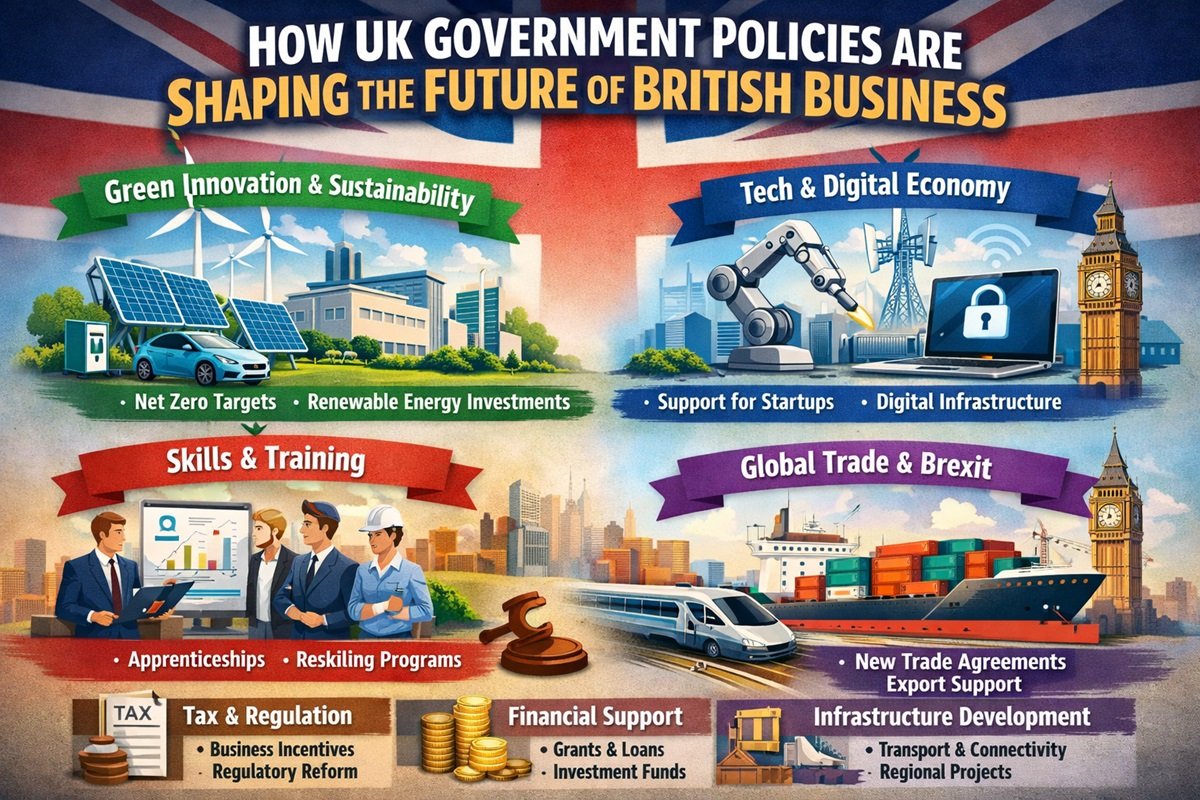
The UK government has introduced various measures to ease the burden, including energy bill support and targeted financial assistance.
- Energy price caps to limit household bills
- Cost-of-living payments for vulnerable groups
- Business relief schemes for energy-intensive sectors
While these measures provide temporary relief, they do not fully offset the broader structural challenges driving the crisis.
Risks And Opportunities In The Current Economic Climate
Key Risks
- Prolonged inflation reducing consumer confidence
- Business closures due to sustained cost pressures
- Reduced investment and economic slowdown
Emerging Opportunities
- Growth in value-driven business models
- Increased demand for cost-saving technologies
- Innovation in energy efficiency and sustainability
Future Outlook For Businesses And Consumers
The outlook remains uncertain, but several trends are likely to shape the next phase of the UK cost of living crisis.
For Businesses
- Greater focus on efficiency and resilience
- Continued investment in technology and automation
- Adaptation to evolving consumer behaviour
For Consumers
- Sustained cautious spending patterns
- Increased financial awareness and planning
- Gradual recovery depending on inflation trends
Conclusion
The UK cost of living crisis is more than a temporary economic challenge. It represents a fundamental shift in how money flows through the economy, affecting both households and businesses in tangible ways.
For consumers, it has meant rethinking priorities, cutting back on non-essential spending, and adapting to a new financial reality. For businesses, it has required sharper strategies, operational efficiency, and a deeper understanding of customer behaviour.
Looking ahead, resilience and adaptability will be critical. Businesses that innovate and manage costs effectively are more likely to survive and grow. Consumers who adopt disciplined financial habits will be better positioned to navigate ongoing uncertainty.
Ultimately, while the crisis presents significant challenges, it also creates opportunities for smarter decision-making, innovation, and long-term economic transformation.