Why Every Modern Home Needs a Bathroom With Shower Panel Walls
Explore the benefits of creating a bathroom with shower panel walls, including modern styling, waterproof protection, easy maintenance, and contemporary bathroom design ideas for UK homes.


Walk into any newly built home today and you will notice one thing almost immediately: the bathroom no longer looks like an afterthought. It looks like a destination. Gone are the days when homeowners accepted peeling grout lines, mold-prone tile gaps, and dull, flat walls as the norm. The modern bathroom is a personal wellness space, and shower panel walls are quickly becoming the single most impactful upgrade driving that transformation.
Whether you are renovating a compact urban apartment or designing a luxury master suite from scratch, shower panel walls offer a blend of practicality, visual appeal, and long-term value that traditional tiling simply cannot match. This guide breaks down every reason why this upgrade is no longer a luxury choice but a smart, future-forward decision for any home.
What Are Shower Panel Walls?
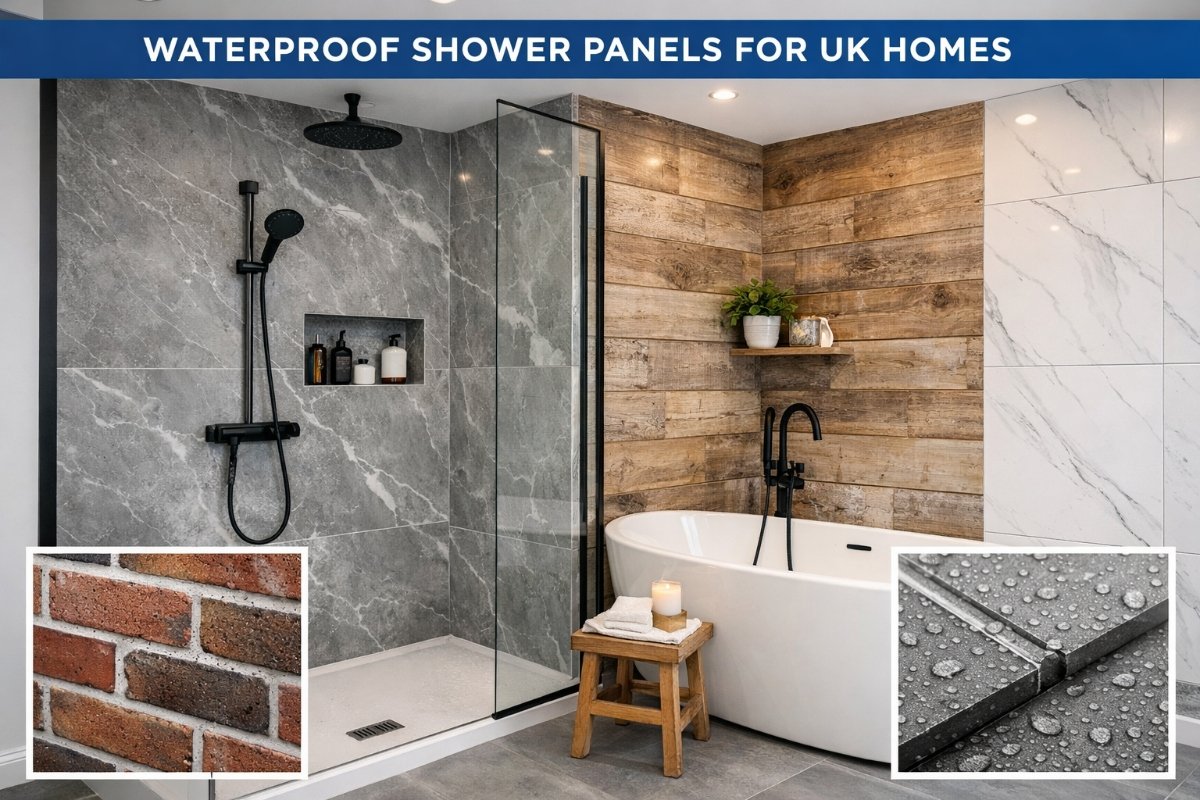
Shower panel walls are large-format rigid panels designed to cover the interior walls of a shower or wet area. They are manufactured from materials such as PVC, acrylic, uPVC, stone composite, or solid surface materials like Corian. These panels interlock or butt-join seamlessly, creating a smooth, grout-free surface that is waterproof from day one.
Unlike ceramic or porcelain tiles that require adhesive, grout, and ongoing maintenance, shower panels are installed quickly and stay looking new with minimal effort. They come in a wide range of finishes including marble effect, concrete look, gloss white, slate texture, wood grain, and custom printed designs, making them suitable for virtually any interior style.
The Problem With Traditional Tile That Nobody Talks About Enough
Tile has dominated bathroom design for decades, and it is not hard to see why. It is durable, water-resistant when properly sealed, and available in countless styles. But here is the honest reality most homeowners only discover after living with tiled showers for a few years.
- Grout is a permanent maintenance commitment. It absorbs moisture, attracts mold, and discolors over time regardless of how diligently you clean it.
- Re-grouting or re-tiling a shower is a messy, expensive, and time-consuming project that typically requires a professional.
- Grout lines create micro-surfaces where bacteria and soap scum accumulate, raising genuine hygiene concerns in a space meant for cleanliness.
- Standard tile installation takes days and requires the space to be unusable for extended periods due to adhesive and grout curing times.
- Hairline cracks in grout allow water to seep behind tiles, causing structural damage that is often invisible until it becomes a serious problem.
Shower panel walls eliminate every single one of these problems at the source.
Top Reasons Every Modern Home Needs Shower Panel Walls
1. Zero Grout Means Zero Mold
This is the single biggest hygiene advantage shower panels offer. Mold and mildew thrive in the damp, porous environment of traditional grout lines. With shower panels, there are no lines, no gaps, and no porous surfaces for mold to take hold. The result is a shower that is genuinely easier to keep clean and far more hygienic for the entire household.
For families with young children, elderly residents, or anyone with respiratory sensitivities, this is not a cosmetic benefit. It is a health benefit with real, daily impact.
2. Dramatically Faster and Less Disruptive Installation
A full tile installation typically takes three to five days when you factor in prep work, setting time, grouting, and sealing. Shower panel walls can often be fitted in a single day by an experienced installer. For a bathroom renovation on a tight timeline or in a home with limited bathroom access, that difference is enormous.
Some panel systems are even designed for DIY installation, reducing labor costs significantly without compromising the finished result.
3. Long-Term Cost Efficiency
The upfront cost of shower panels is often comparable to mid-range tiling once labor and materials are factored together. But the real financial story unfolds over the years that follow. There is no cost for re-grouting, no expensive mold remediation, no professional deep-cleaning services, and no emergency tile repairs when water gets behind a loose tile. The total cost of ownership over a ten-year period typically makes shower panels the more economical choice by a considerable margin.
4. Design Versatility That Matches Any Interior Vision
One of the most exciting developments in shower panel technology is the sheer range of finishes now available. Homeowners are no longer choosing between panels and style. They are choosing panels because of the style possibilities they unlock.
- Large-format marble-effect panels create a seamless, vein-continuous look that is nearly impossible to achieve with individual marble tiles without enormous cost.
- Concrete and raw texture finishes suit industrial and Scandinavian interiors perfectly.
- Gloss white or soft matte panels open up smaller shower enclosures visually by reflecting light rather than fragmenting it with grout lines.
- Wood-effect panels bring warmth and organic texture to spa-inspired bathroom designs.
- Bespoke printed panels allow completely custom artwork, patterns, or photographic finishes for truly one-of-a-kind spaces.
5. Compatibility With Underfloor Heating and Modern Bathroom Technology
Modern bathrooms increasingly integrate underfloor heating, smart shower systems, chromotherapy lighting, and built-in audio. Shower panel walls do not conflict with any of these systems and in many cases support a cleaner, more integrated installation. Their smooth surface also works exceptionally well alongside frameless glass shower screens, creating that seamless, open-plan wet room aesthetic that high-end bathroom designers are specifying across premium residential projects worldwide.
6. Suitable for Retrofitting Over Existing Tiles
One of the most practical advantages of shower panels that rarely gets enough attention is their ability to be installed directly over existing tiles in many situations. This means a bathroom renovation does not necessarily require demolition, reducing both cost and the amount of waste generated. It also significantly cuts project timelines and the noise and dust disruption that comes with a full strip-out.
7. Increased Property Value and Buyer Appeal
Real estate professionals consistently report that bathroom quality is one of the top three factors influencing buyer decisions and property valuations. A bathroom that looks fresh, modern, and low-maintenance is a genuine selling point. Shower panel walls signal to prospective buyers that the home has been maintained thoughtfully and updated with quality materials, which supports stronger sale prices and faster transactions in competitive markets.
Choosing the Right Shower Panel Material for Your Home
Not all shower panels are created equal, and choosing the right material for your specific situation matters.
PVC Panels
These are the most affordable option and work well in rental properties, secondary bathrooms, or budget-conscious renovations. They are lightweight, easy to cut and install, and fully waterproof. The trade-off is that they can feel less substantial than higher-end alternatives and may show wear over time in heavy-use environments.
Acrylic and uPVC Panels
A step up in quality, acrylic panels offer a more polished finish with better resistance to scratching and impact. They are a popular choice for family bathrooms where durability is a priority alongside appearance.
Stone Composite and Solid Surface Panels
These premium options deliver the closest experience to natural stone without the weight, cost, or maintenance demands. Stone composite panels are dense, warm to the touch, and carry a visual depth that budget panels cannot replicate. They are the preferred choice for master suites and high-specification bathroom renovations.
Glass Panels
Toughened glass panels bring an entirely different quality to a shower space. They are hygienic, easy to clean, and exceptionally durable. While they sit at the higher end of the price range, they create an unmatched sense of luxury and are often used in combination with other panel types for feature walls or statement shower designs.
Shower Panel Walls and Sustainability: A Growing Consideration
Environmental awareness is increasingly shaping home design decisions, and shower panels hold some genuine advantages here. Because they can be installed over existing surfaces, they reduce the volume of tile waste going to landfill. Many manufacturers now produce panels using recycled content or recyclable materials, and the longevity of quality panels means less frequent replacement compared to tiled surfaces that deteriorate around the grout over time.
For homeowners pursuing green building certifications or simply making conscious choices about material consumption, shower panels represent a more sustainable option than many people realize.
Maintenance Guide: Keeping Shower Panel Walls Looking New
One of the most commonly asked questions from homeowners considering shower panels is how to maintain them properly. The good news is that the maintenance routine is about as simple as it gets.
- Wipe down after each use with a soft cloth or squeegee to prevent water spotting, particularly in hard water areas.
- Weekly cleaning with a non-abrasive bathroom cleaner and a soft cloth is sufficient to keep panels looking pristine.
- Avoid abrasive pads, wire brushes, or harsh chemical cleaners that can scratch or dull the surface finish.
- For stubborn soap scum buildup, a diluted white vinegar solution works effectively without damaging the panel surface.
- Check sealant lines at panel joins and around fixtures annually and reseal as needed to maintain waterproofing integrity.
Common Mistakes to Avoid When Installing Shower Panel Walls
Even with a product as installer-friendly as shower panels, a few common errors can compromise the finished result.
- Failing to ensure the substrate wall is flat and structurally sound before installation. Panels will mirror any significant irregularities in the wall behind them.
- Using the wrong adhesive or sealant for the panel material. Always follow manufacturer specifications.
- Skipping the acclimatization step. Panels should be stored in the installation environment for at least 24 hours before fitting to adjust to temperature and humidity conditions.
- Underestimating the importance of waterproof sealing at all joints, corners, and fixture penetrations. This is the most critical step in preventing water ingress.
- Choosing a finish purely for aesthetics without considering the practical maintenance requirements of high-gloss versus matte surfaces in your specific bathroom environment.
The Wet Room Trend: Where Shower Panels Become the Full Story
Wet rooms represent the pinnacle of modern bathroom design, and shower panel walls are central to making them work. In a true wet room, the entire bathroom floor is waterproofed and drained, with no separate shower enclosure. The walls are typically finished in continuous large-format panels that flow from the shower zone across the rest of the bathroom, creating a completely unified space.
This design approach is being adopted not just in luxury homes but increasingly in mid-range renovations because it makes smaller bathrooms feel dramatically more spacious. Removing the physical and visual barrier of a shower tray and screen, and replacing compartmentalized tiling with continuous panel surfaces, transforms the perceived size and quality of even compact bathrooms.
Shower Panel Walls for Commercial and Hospitality Settings
The benefits of shower panels extend well beyond the residential market. Hotels, serviced apartments, student accommodation providers, and gym facilities have adopted shower panel systems at scale precisely because of their durability, fast installation across multiple rooms, and dramatically reduced ongoing maintenance costs.
For property developers and hospitality operators, the economics are compelling. Faster fit-out means earlier revenue generation. Lower maintenance means reduced operational costs over the asset’s lifetime. And the consistent, high-quality finish across rooms means a reliable guest experience that supports positive reviews and return bookings.
Final Thoughts: The Shower Panel Wall as a Design Standard, Not a Design Trend
Trends come and go in interior design, but some innovations earn permanent status as the new standard. Shower panel walls are in that category. They solve real, persistent problems with traditional tiling. They offer genuine design flexibility. They reduce maintenance burden. They perform better over time. And they make bathrooms look and feel significantly more considered and premium.
The question for modern homeowners is no longer whether shower panel walls are worth the investment. It is which material, finish, and format best suits the specific vision and practical requirements of the space. That is a conversation worth having at the very beginning of any bathroom project, because getting it right from the start delivers benefits that compound every single day the room is in use.
Published By newsaxis.uk